

Arts Integration in the Elementary Classroom
Updated: Sep 22, 2024
May, 2024
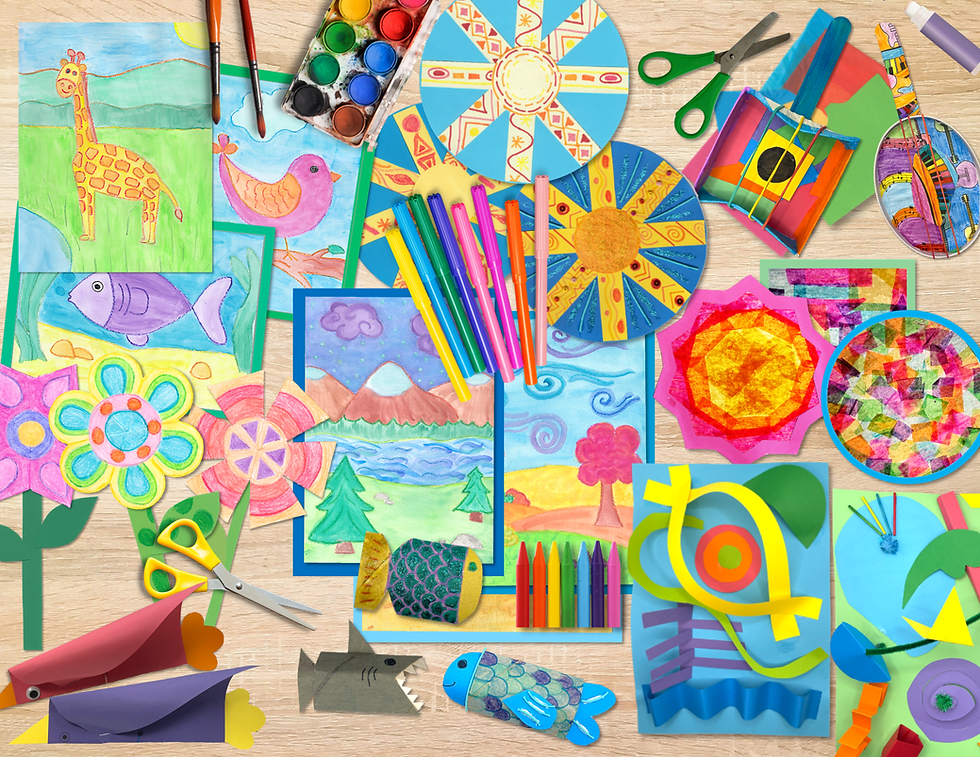
Art for Art’s Sake
Art isn’t just about having fun; it plays a fundamental role in the intellectual, social, physical, and emotional growth of students. Even our youngest artists benefit from high-quality art instruction, which aids in the development of motor skills, language abilities, social interactions, decision-making, risk-taking, and inventiveness.
Arts Integration: A Powerful Teaching Strategy
As an elementary school teacher with over 20 years of experience, I understand the challenges of making time for art within a busy school schedule. Often, art classes are reduced or eliminated to prioritize core subjects. A practical solution is to integrate art across the curriculum. This approach not only ensures that students receive essential art instruction but also enhances learning in other subjects. Arts integration promotes critical thinking, creativity, and problem-solving skills, making it a dynamic teaching strategy.

Science Meets Art
Integrating art with science is a natural and powerful match-up. Art-driven creativity is invaluable in scientific inquiry, encouraging students to explore scientific concepts creatively. This integration leads to a deeper understanding and innovative problem-solving approaches. There are countless benefits of incorporating Art and Science in the classroom, but here I will share my top 5:
Five Benefits of Integrating Science and Art
1. Engagement: Combining science and art makes learning more enjoyable. Students who may not be interested in traditional science classes can find art-based approaches appealing, fostering curiosity, participation, and interest.
2. Creativity and Critical Thinking: Art encourages creativity and critical thinking. When students use art to explore scientific concepts, they delve deeply into representing abstract ideas visually. This process enhances their understanding of scientific principles.
3. Memorable Learning: Hands-on artistic activities evoke emotions and improve memory retention. Creating something related to a scientific concept makes that concept more memorable. Emotional connections enhance motivation and investment in learning.
4. Interdisciplinary Learning: Art and science are not isolated subjects. Integrating them prepares students for real-world challenges that require multidisciplinary approaches.
5. Inclusivity and Accessibility: Art provides an accessible entry point for diverse learners, including those with disabilities, English language learners, and gifted students. Integrating art caters to various learning styles, making science accessible to all.
In summary, integrating science and art education enriches learning, making it more meaningful, memorable, and mindful. And yes, it’s also a lot of fun!

If you’d like to explore Arts Integration further, I’ve created Science-integrated Art lessons aligned with National Art Standards. These lessons connect art concepts, vocabulary, skills, and techniques to science content, supporting students in their learning journey.


Comments